Creating Harmony with Feng Shui Design Principles

When you step into a space that feels just right, you might not immediately realize why. It’s a subtle balance of energy, light, and arrangement that creates a sense of calm and well-being. This is the essence of feng shui design principles, an ancient art that helps you align your environment with the natural flow of energy. By embracing these principles, you can transform your home or business into a sanctuary of harmony and prosperity.
Imagine walking into your living room and feeling an immediate sense of peace. The furniture is arranged thoughtfully, colors soothe your senses, and every corner invites relaxation. This is not by chance. It’s the result of intentional design that respects the flow of energy, or chi, within your space. Let me guide you through how you can create this harmony in your own environment.
Understanding Feng Shui Design Principles
Feng shui is more than just decoration. It’s a philosophy that connects you with the natural world through your surroundings. The core idea is to balance the five elements - wood, fire, earth, metal, and water - to promote positive energy flow. When these elements are in harmony, your space supports your health, relationships, and success.
To start, consider the layout of your rooms. Avoid clutter and sharp corners that block energy. Instead, opt for rounded furniture and open pathways. Natural light is essential, so keep windows clear and use soft lighting to create warmth. Colors also play a vital role. Earth tones like beige and soft greens ground the space, while blues and whites bring calm and clarity.
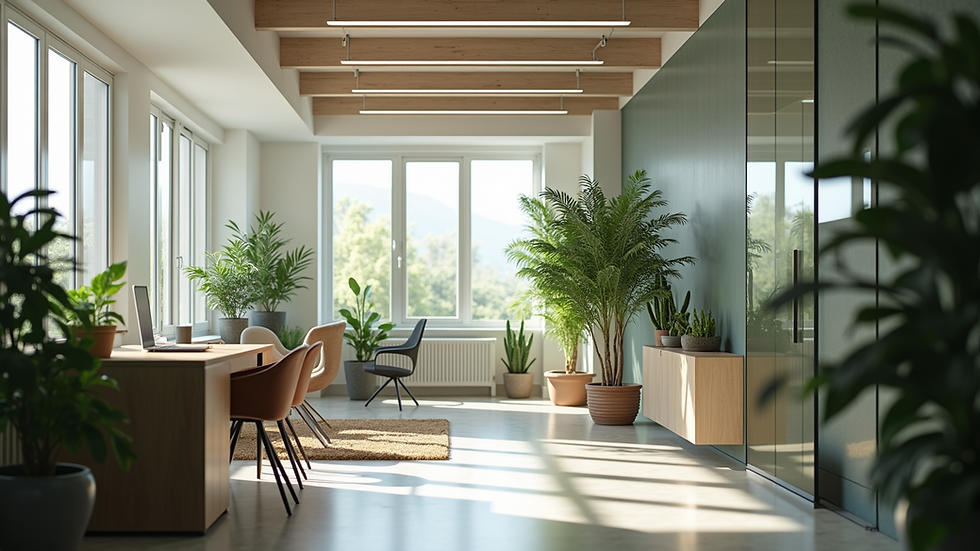
Incorporating plants is a wonderful way to bring life and vitality indoors. They represent growth and renewal, helping to purify the air and boost your mood. Just be sure to choose healthy plants and place them where they can thrive.

How to Arrange Your Space for Optimal Energy Flow
The arrangement of your furniture and decor can either block or enhance the flow of energy. One of the most important feng shui design principles is the command position. This means placing key pieces, like your bed or desk, so you can see the door without being directly in line with it. This position gives you a sense of control and security.
Avoid placing furniture where it blocks doorways or windows. Instead, create clear pathways that allow energy to move freely. Mirrors can be used strategically to expand a space and reflect light, but be mindful not to place them opposite doors or windows, as this can push energy away.
Balance is key. If one side of a room feels heavy with furniture, add lighter elements or open space on the other side. This creates a sense of equilibrium that feels natural and inviting.
What is the 3-5-7 Rule in Interior Design?
You might wonder how to balance colors, textures, and shapes without overwhelming your space. The 3-5-7 rule is a simple guideline that helps you create visual harmony. It suggests using:
3 dominant elements (such as a large sofa or a bold wall color)
5 secondary elements (like cushions, rugs, or smaller furniture)
7 accent pieces (decorative items, plants, or artwork)
This rule ensures your space feels cohesive without being cluttered. It also aligns beautifully with feng shui design principles by promoting balance and flow.
For example, in a living room, you might choose a deep green sofa as your dominant element, five cushions in varying shades of green and beige as secondary elements, and seven small accents like candles, vases, or framed photos to complete the look. This layering creates depth and interest while maintaining calm.
Practical Tips for Bringing Feng Shui into Your Miami Space
Living in Miami, you have the advantage of abundant natural light and a vibrant connection to nature. Use this to your benefit by opening windows to let in fresh air and sunlight. Consider light, airy curtains that move gently with the breeze, enhancing the flow of energy.
Water is a powerful element in feng shui, symbolizing abundance and renewal. A small indoor fountain or an aquarium can bring this energy into your home or office. Just be sure to keep the water clean and flowing smoothly.
When choosing colors, think about the coastal environment. Soft blues, sandy beiges, and lush greens reflect the natural surroundings and create a soothing atmosphere. Avoid harsh, overly bright colors that can disrupt the calm.
Decluttering is essential. Miami’s busy lifestyle can lead to accumulation of unnecessary items. Regularly clear out what no longer serves you. This simple act opens space for new opportunities and positive energy.

Embracing Feng Shui Interior Design for Lasting Well-Being
Incorporating feng shui interior design into your space is a journey, not a one-time project. It invites you to slow down, observe, and adjust your environment to support your well-being. When your surroundings nurture you, you naturally feel more balanced and energized.
Start small. Rearrange a single room or add a few plants. Notice how these changes affect your mood and energy. Over time, you’ll develop a deeper connection with your space and a greater sense of harmony.
Remember, your environment is a reflection of your inner world. By creating balance and flow around you, you invite peace and prosperity into your life. Isn’t that a beautiful way to live?
Creating harmony with feng shui design principles is about more than aesthetics. It’s about crafting a space that supports your dreams and daily life. With thoughtful choices and gentle adjustments, you can transform your home or business into a place where energy flows freely and positivity thrives. Why not begin today?


Comments